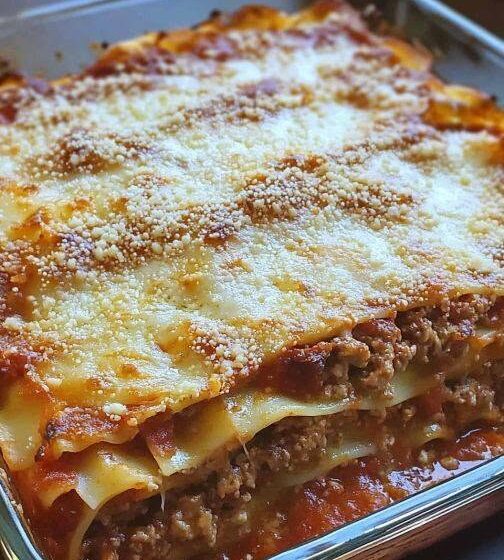
If you’re craving a comforting homemade Italian dinner, this easy lasagna Bolognese recipe is the perfect choice. Made with layers of tender lasagna noodles, rich ground beef tomato sauce, creamy béchamel, and melted Parmesan cheese, this classic baked pasta dish is hearty, flavorful, and perfect for sharing with family and friends.
Traditional lasagna Bolognese combines a slowly simmered meat sauce with a smooth white sauce and pasta sheets, creating delicious layers in every bite. As the lasagna bakes, the flavors blend together while the top becomes beautifully golden and bubbly.
Although this recipe takes some time to prepare, the steps are simple and manageable, even for beginner home cooks. You can also prepare it ahead of time, making it an excellent choice for Sunday dinner, family gatherings, potlucks, or busy weeknights when you want a satisfying homemade meal.
If you’re searching for the best homemade beef lasagna recipe, this version delivers everything you want: rich tomato flavor, tender pasta, creamy sauce, and a cheesy golden topping.
Why You’ll Love This Lasagna Bolognese Recipe
- Rich and flavorful meat sauce: Ground beef, tomatoes, garlic, onions, and herbs create a delicious Bolognese-style sauce.
- Creamy homemade béchamel: The smooth white sauce balances the acidity of the tomatoes and adds a rich texture.
- Perfectly layered pasta: Every slice contains pasta, meat sauce, creamy béchamel, and Parmesan cheese.
- Great for meal prep: Assemble the lasagna ahead of time and bake it when you’re ready.
- Family-friendly comfort food: This hearty Italian dinner is ideal for sharing with loved ones.
Ingredients for Homemade Lasagna Bolognese
This recipe makes approximately 8 servings and fits a deep baking dish measuring about 9 × 13 inches.
For the Bolognese Meat Sauce
- 1 1/3 pounds (600 g) ground beef
- 1 medium yellow onion, finely chopped
- 1 medium carrot, finely diced
- 1 celery stalk, finely chopped
- 2 garlic cloves, minced
- 3 tablespoons olive oil
- 28 ounces (800 g) tomato passata or crushed tomatoes
- 1/2 cup (120 ml) dry red wine, optional
- 1/2 cup (120 ml) water or beef broth, as needed
- 1 teaspoon dried oregano
- 1 teaspoon dried basil
- 1 bay leaf
- 1 teaspoon salt, or to taste
- 1/2 teaspoon black pepper
For the Béchamel Sauce
- 7 tablespoons (100 g) unsalted butter
- 3/4 cup plus 1 tablespoon (100 g) all-purpose flour
- 4 1/4 cups (1 liter) whole milk
- 1/4 teaspoon ground nutmeg
- 1/2 teaspoon salt, or to taste
- 1/4 teaspoon black pepper
For Assembling the Lasagna
- 9–12 lasagna sheets, approximately 250–300 g, depending on the size of your dish
- 1 cup (100 g) freshly grated Parmesan cheese
- 3/4 cup (75 g) shredded mozzarella or another good melting cheese
- 1 teaspoon butter or a little olive oil for greasing the baking dish
Ingredient tip: Use a tomato passata with no added sugar for a balanced meat sauce. Freshly grated Parmesan adds a savory flavor, while mozzarella gives the top a delicious melted finish. Check the package instructions to determine whether your lasagna sheets need to be boiled before assembly.
How to Make Lasagna Bolognese
Step 1: Prepare the Vegetables
Finely chop the onion, carrot, and celery. Mince the garlic cloves.
Heat the olive oil in a large, heavy-bottomed saucepan over medium heat. Add the onion, carrot, and celery, then cook for approximately 5–7 minutes, stirring occasionally, until the vegetables soften.
Add the minced garlic and cook for another 30 seconds, taking care not to burn it.
Step 2: Cook the Ground Beef
Add the ground beef to the saucepan. Break it into small pieces with a wooden spoon and cook for 7–10 minutes, until browned and no longer pink.
If there is excessive fat in the pan, carefully drain some of it. Browning the beef properly helps develop a deeper, more savory flavor.
Pour in the red wine, if using, and allow it to simmer for 2–3 minutes so that most of the alcohol evaporates.
Step 3: Simmer the Bolognese Sauce
Add the tomato passata, water or beef broth, oregano, basil, bay leaf, salt, and black pepper.
Stir well, bring the sauce to a gentle simmer, and reduce the heat to low. Cook uncovered for approximately 35–45 minutes, stirring occasionally.
If the sauce becomes too thick before the flavors have developed, add a small splash of water. Remove the bay leaf before assembling the lasagna.
The finished meat sauce should be thick enough to coat a spoon without being excessively watery.
Step 4: Make the Creamy Béchamel Sauce
While the meat sauce simmers, prepare the white sauce.
Melt the butter in a medium saucepan over medium-low heat. Add the flour and whisk continuously for 1–2 minutes to create a smooth paste called a roux.
Gradually pour in the milk, whisking constantly to prevent lumps. Continue cooking for approximately 5–8 minutes, stirring frequently, until the sauce thickens.
Add the nutmeg, salt, and black pepper. Remove the saucepan from the heat when the béchamel is smooth and creamy.
If the sauce becomes too thick, whisk in a little additional milk.
Step 5: Prepare the Lasagna Sheets
Preheat your oven to 375°F (190°C).
If you’re using dried lasagna sheets that require boiling, cook them according to the package directions until just tender. Drain carefully and arrange them on a clean surface so they do not stick together.
No-boil lasagna sheets can generally be used directly, provided the package instructions allow it and there is sufficient moisture in the sauce.
Lightly grease a 9 × 13-inch baking dish.
Step 6: Assemble the Lasagna Layers
Spread a thin layer of béchamel sauce over the bottom of the baking dish.
Arrange a single layer of lasagna sheets over the sauce. Spread a portion of the Bolognese meat sauce on top, followed by béchamel and a sprinkle of Parmesan.
Repeat the layers until the ingredients are used, typically creating three or four layers of pasta.
Finish with a generous layer of béchamel, the remaining Parmesan, and the shredded mozzarella.
Make sure the pasta sheets are covered with sauce so that they cook evenly and do not become dry.
Step 7: Bake Until Golden and Bubbly
Cover the baking dish loosely with aluminum foil and bake for approximately 25 minutes.
Remove the foil and continue baking for another 15–20 minutes, until the cheese is golden, the sauce bubbles around the edges, and the pasta is tender.
If you want a more deeply browned cheese topping, place the lasagna under the broiler for 1–2 minutes, watching it carefully to prevent burning.
Step 8: Rest Before Slicing
Remove the lasagna from the oven and let it rest for 15–20 minutes before cutting.
This resting time allows the layers to settle, making it easier to serve neat slices without the filling falling apart.
Serve warm with a fresh green salad, garlic bread, or roasted vegetables.
Tips for the Best Homemade Lasagna
Let the meat sauce simmer. Giving the Bolognese sauce time to cook helps the beef, vegetables, and tomatoes develop a richer flavor.
Avoid watery lasagna. Simmer the meat sauce until thick, and drain cooked pasta sheets well if you are boiling them.
Make a smooth béchamel. Add milk gradually while whisking continuously. This helps prevent lumps from forming.
Layer evenly. Spread the sauces across the pasta sheets rather than concentrating the filling in the middle.
Allow the lasagna to rest. Cutting too early can cause the layers to slide apart. Resting produces cleaner slices.
What to Serve with Lasagna Bolognese
This classic Italian pasta dinner pairs well with simple side dishes that balance its rich flavors.
Serve it with a crisp Caesar salad, mixed green salad, roasted broccoli, or garlic bread. Steamed green beans and roasted zucchini are also excellent choices.
For a family gathering, you can serve the lasagna alongside a tomato and cucumber salad and fresh bread for a satisfying meal.
How to Store and Reheat Lasagna
Refrigerator: Allow the lasagna to cool slightly and refrigerate it in an airtight container within two hours of cooking. Consume within 3–4 days.
Freezer: Freeze individual portions in freezer-safe containers for up to 2–3 months for best quality. You can also freeze an assembled, unbaked lasagna if the ingredients and dish are suitable for freezing.
Oven reheating: Cover individual portions with foil and reheat at 350°F (175°C) until the center reaches 165°F (74°C). Add a small spoonful of water or sauce if the lasagna appears dry.
Microwave reheating: Place a slice on a microwave-safe plate, cover loosely, and heat in short intervals until thoroughly hot.
Frequently Asked Questions
Can I make lasagna Bolognese ahead of time?
Yes. Assemble the lasagna, cover it, and refrigerate it before baking. For best results, bake it within 24 hours. If it goes into the oven cold, allow extra baking time and check that the center reaches a safe temperature.
What is the difference between Bolognese lasagna and regular lasagna?
Lasagna Bolognese traditionally features a meat-based sauce layered with pasta and béchamel. Other lasagna recipes may use ricotta cheese, different meats, vegetables, or alternative sauces.
Can I use ricotta instead of béchamel?
Yes, but the result will be different from this classic béchamel version. Ricotta can be mixed with an egg and Parmesan to create a creamy filling, although the texture and flavor will change.
Do I need to boil lasagna noodles first?
Not always. Regular dried lasagna sheets may require boiling, while no-boil varieties are designed to cook in the oven. Always follow the instructions on the package.
Why does my lasagna fall apart when sliced?
The most common reasons are excess liquid and insufficient resting time. Allow the meat sauce to thicken, use the appropriate amount of béchamel, and rest the baked lasagna for 15–20 minutes before slicing.
Can I make this recipe without wine?
Absolutely. Simply omit the wine and use a little beef broth or water instead. The lasagna will still have plenty of flavor from the browned beef, vegetables, herbs, and tomatoes.
What cheese is best for lasagna?
Parmesan adds a salty, savory flavor, while mozzarella provides a stretchy, melted topping. You can also use Gruyère or another good melting cheese, depending on your preference.
Final Thoughts
This easy lasagna Bolognese recipe brings together everything that makes homemade Italian comfort food so satisfying: rich beef tomato sauce, silky béchamel, tender pasta, and a golden cheese topping.
Although the recipe takes time, each step is straightforward, and the result is a hearty meal that works beautifully for Sunday dinners, family celebrations, and make-ahead meal planning.
Prepare it in advance, let it rest before slicing, and serve it with a fresh salad or garlic bread for a complete dinner. Once you master the basic technique, you can easily adapt the recipe to suit your family’s tastes.
Save this classic beef lasagna recipe for the next time you want a comforting, homemade dinner that everyone can enjoy!