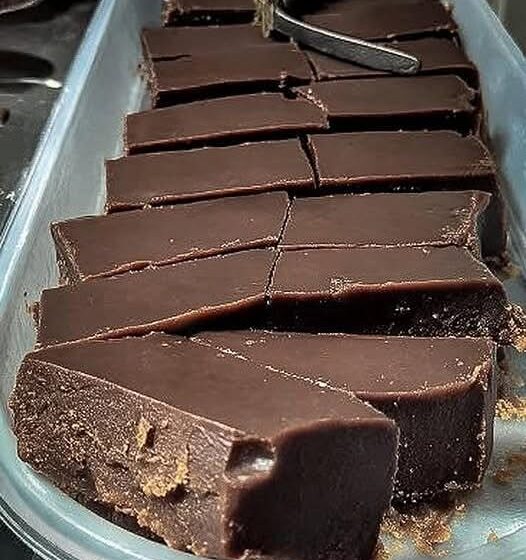
Few homemade desserts are as nostalgic as a batch of Classic Homemade Fudge. Rich, chocolatey, dense, and wonderfully creamy, this old-fashioned stovetop fudge brings back the kind of simple homemade candy that families have been making for generations.
Unlike quick fudge recipes made with marshmallows or sweetened condensed milk, this traditional version is made the old-fashioned way. Sugar, cocoa powder, and whole milk are carefully cooked on the stovetop until they reach the soft-ball stage, then allowed to cool before being beaten with butter and vanilla.
That extra attention to temperature and technique is what gives traditional fudge its distinctive texture. When made correctly, each square is dense yet tender, velvety rather than grainy, and full of deep chocolate flavor.
This is an excellent recipe for Christmas candy trays, holiday desserts, homemade food gifts, bake sales, family gatherings, or simply satisfying a serious chocolate craving.
Why You’ll Love This Old-Fashioned Fudge
There are plenty of easy fudge recipes available, but traditional stovetop fudge has a character all its own.
The flavor comes from simple ingredients rather than prepared chocolate chips or condensed milk. Unsweetened cocoa powder provides the chocolate base, while whole milk gives the mixture richness.
Butter adds a smooth, luxurious finish, and vanilla extract enhances the chocolate flavor.
The most important part of the recipe is reaching the correct temperature. Once the sugar mixture reaches 238°F, it has reached the soft-ball stage necessary for creating the classic fudge texture.
While this recipe requires more attention than a microwave fudge recipe, the result is worth it.
Ingredients
The Base
- 2 cups white granulated sugar
- 1 cup whole milk
- ½ cup unsweetened cocoa powder
The Finish
- 4 tablespoons unsalted butter, softened and sliced
- 1 teaspoon vanilla extract
You’ll also need an 8-inch square baking pan and, ideally, a candy thermometer.
How to Make Classic Homemade Fudge
1. Prepare the Pan
Start by preparing an 8-inch square baking pan.
Grease it generously with butter or line it with parchment paper, leaving some overhang on the sides.
The parchment makes it especially easy to lift the finished fudge out of the pan before cutting.
Set the pan aside.
2. Combine Sugar and Cocoa
Place the sugar and unsweetened cocoa powder in a medium heavy-bottomed saucepan.
Whisk them together until the cocoa is evenly distributed throughout the sugar.
Gradually add the whole milk while stirring.
Continue mixing until the ingredients are smooth and there are no large pockets of dry cocoa.
3. Bring the Mixture to a Boil
Place the saucepan over medium-high heat.
Stir continuously as the mixture heats.
Once it reaches a full rolling boil, reduce the heat to low.
At this point, stop stirring.
This is an important step in traditional fudge making because excessive stirring during the cooking stage can encourage unwanted sugar crystallization and produce grainy fudge.
4. Cook to the Soft-Ball Stage
Attach a candy thermometer to the saucepan, making sure the bottom of the thermometer isn’t touching the bottom of the pan.
Allow the mixture to cook undisturbed until it reaches 238°F (approximately 114°C).
This is known as the soft-ball stage.
If you don’t have a candy thermometer, you can use the traditional cold-water test.
Drop a small amount of the hot syrup into a glass of very cold water. The mixture should form a soft ball that can be picked up and flattened between your fingers.
Be extremely careful when testing hot sugar syrup because it can cause serious burns.
5. Let the Mixture Cool
Once the fudge mixture reaches 238°F, immediately remove the saucepan from the heat.
Allow it to sit undisturbed for approximately 50–70 minutes, or until the temperature falls to around 110°F.
Resist the temptation to stir during this stage.
This cooling period is an important part of achieving smooth, creamy fudge rather than a grainy texture.
6. Add the Butter and Vanilla
Once the mixture has cooled sufficiently, add the softened butter and vanilla extract.
Using a sturdy wooden spoon, begin beating the mixture vigorously.
At first, the fudge will appear glossy and fluid.
As you continue beating, it will gradually become thicker and lose some of its shine.
This transformation is a sign that the sugar crystals are developing the proper structure.
7. Pour Into the Pan
Once the mixture has thickened and reached a matte, fudge-like consistency, quickly transfer it to the prepared baking pan.
Use a spatula to spread it evenly.
Work relatively quickly because traditional fudge begins setting as soon as it reaches the proper consistency.
8. Cool and Slice
Allow the fudge to cool completely at room temperature.
If you’re in a hurry, you can refrigerate it to speed up the setting process.
Once firm, lift the fudge from the pan using the parchment paper if you lined the pan.
Place it on a cutting board and cut into approximately 1-inch squares.
Tips for Smooth, Creamy Fudge
Traditional fudge can be slightly more sensitive to technique than simple no-bake desserts. These tips can help.
Use a Heavy-Bottomed Saucepan
A heavy-bottomed pan distributes heat more evenly and reduces the chance of scorching.
Use a Reliable Candy Thermometer
Temperature is critical when making stovetop fudge.
A few degrees can make a noticeable difference in the final texture, so a reliable thermometer is extremely helpful.
Don’t Stir After Boiling
Once the mixture reaches a full boil, stop stirring until it reaches the soft-ball stage.
Don’t Rush the Cooling Stage
Allowing the mixture to cool naturally to approximately 110°F gives you the right conditions for beating.
Beat Thoroughly
The beating stage is where the mixture develops its characteristic fudge texture.
Continue until the fudge becomes noticeably thicker and loses its glossy appearance.
Easy Fudge Variations
Once you’ve mastered this traditional chocolate fudge, there are several ways to customize it.
Nutty Chocolate Fudge
Fold chopped walnuts or pecans into the fudge immediately before transferring it to the pan.
Chocolate Walnut Fudge
Walnuts are a classic addition to homemade fudge and add a pleasant contrast to the creamy texture.
Peppermint Chocolate Fudge
For a holiday version, add a small amount of peppermint extract and sprinkle crushed peppermint candy over the top.
Sea Salt Chocolate Fudge
A light sprinkle of flaky sea salt can create a delicious sweet-and-salty combination.
Espresso Fudge
A small amount of instant espresso powder can intensify the chocolate flavor.
How to Serve Homemade Fudge
Classic chocolate fudge is delicious straight from the refrigerator, but there are plenty of ways to enjoy it.
Serve small squares alongside coffee or tea for an afternoon treat.
Add pieces to a holiday dessert platter with cookies, brownies, and other homemade candies.
You can also wrap individual pieces in parchment paper or place them in decorative boxes to create a thoughtful homemade food gift.
Because fudge keeps well, it is especially convenient for Christmas gift baskets and holiday cookie exchanges.
How to Store Homemade Fudge
Once completely set, store the fudge in an airtight container.
Place parchment or wax paper between layers to prevent the pieces from sticking together.
Keep the container in a cool, dry place.
If your kitchen is particularly warm, refrigerating the fudge can help maintain its texture.
Allow refrigerated fudge to sit at room temperature for a few minutes before serving for the best texture.
Frequently Asked Questions
Why did my fudge turn out grainy?
Grainy fudge can result from sugar crystallization. Stirring after the mixture begins boiling, cooking to the wrong temperature, or disturbing the mixture during the cooling stage can contribute to this problem.
Can I make this fudge without a candy thermometer?
Yes. The traditional cold-water test can be used to determine whether the mixture has reached the soft-ball stage.
However, a candy thermometer provides much more consistent results.
Why isn’t my fudge setting?
The mixture may not have reached the correct cooking temperature. If the syrup doesn’t reach the soft-ball stage, there may not be enough sugar concentration for the fudge to set properly.
Can I add nuts?
Absolutely. Chopped walnuts and pecans are excellent choices.
Is this the same as condensed milk fudge?
No. This is a traditional stovetop fudge recipe made with milk, sugar, and cocoa powder rather than sweetened condensed milk.
Perfect for Christmas and Holiday Gifting
Homemade fudge is one of those treats that instantly feels festive.
Make a batch for Christmas dessert tables, package squares in small gift boxes, or add them to a homemade holiday candy assortment.
Because the recipe produces rich, bite-sized pieces, a single batch can be enough for sharing with family, friends, neighbors, coworkers, or guests.
It’s also a wonderful recipe to make during the holiday season when you’re looking for something nostalgic and homemade rather than another complicated dessert.
Final Thoughts
Classic Homemade Fudge proves that some of the best desserts don’t require complicated ingredients.
Sugar, cocoa powder, milk, butter, and vanilla come together through a traditional stovetop method to create rich chocolate candy with an unmistakably old-fashioned texture.
The key is patience: cook the mixture carefully, reach the soft-ball stage, allow it to cool without stirring, and then beat it until thick and matte.
The result is worth every minute—a batch of smooth, dense, chocolatey fudge that makes an irresistible treat for everyday snacking or special occasions.
Whether you’re making old-fashioned Christmas candy, preparing homemade gifts, or simply craving rich chocolate dessert, this classic fudge recipe is one you’ll want to make again and again.
Meta Description:
Learn how to make classic homemade fudge the old-fashioned way with cocoa, sugar, whole milk, butter, and vanilla. Rich, creamy stovetop chocolate fudge perfect for holidays and gifting.
SEO Keywords:
classic homemade fudge, old fashioned fudge recipe, homemade chocolate fudge, traditional fudge recipe, stovetop fudge recipe, easy fudge recipe, chocolate fudge recipe, homemade candy recipes, Christmas candy recipes, holiday dessert recipes, old fashioned desserts, homemade Christmas candy, chocolate dessert recipes, easy dessert recipes, homemade food gifts, holiday baking recipes, fudge without condensed milk, fudge without marshmallows