Soft, Sweet and Golden French-Style Pastries
These homemade sugar snails, known as escargots au sucre, are a simple and delicious sweet treat with a soft, tender texture and a delicate caramelized sugar coating. Made with an easy pastry dough and sprinkled generously with cane sugar, they are baked until lightly golden, creating a delightful contrast between their fluffy centers and slightly crisp, sugary edges.
Perfect for breakfast, an afternoon snack, or a sweet treat alongside coffee or tea, these little pastries are easy to prepare at home with basic ingredients. Their charming spiral shape makes them look beautiful on a serving plate, while their gentle sweetness makes them appealing to both children and adults.
Why You’ll Love These Sugar Snails
- Simple ingredients: You only need everyday baking ingredients.
- Soft and fluffy: The dough bakes into tender, lightly sweet pastries.
- A delicate crunch: Cane sugar creates a lightly crisp exterior.
- Perfect for sharing: Their small size makes them ideal for family gatherings.
- Easy to customize: Add cinnamon, vanilla, or citrus zest for extra flavor.
Recipe Information
- Preparation time: 25 minutes
- Rising time: 1 hour 15 minutes
- Cooking time: 15–18 minutes
- Total time: Approximately 1 hour 55 minutes
- Servings: 12 sugar snails
- Course: Breakfast, Dessert, Snack
- Cuisine: French-inspired
Ingredients
For the Dough
- 3 cups (375 g) all-purpose flour
- 2 teaspoons (7 g) instant yeast
- ¼ cup (50 g) granulated sugar
- ¾ cup (180 ml) warm milk
- 1 large egg, at room temperature
- ¼ cup (60 g) unsalted butter, softened
- ½ teaspoon salt
- 1 teaspoon vanilla extract
For the Sugar Coating
- ⅓ cup (65 g) cane sugar
- 1 tablespoon melted butter
- 1 tablespoon milk, if needed for brushing
Instructions
Step 1: Prepare the Yeast Dough
In a large mixing bowl, combine the warm milk, instant yeast, and one tablespoon of the sugar. Let the mixture stand for about 5 minutes if you want to check that the yeast is active.
Add the flour, remaining sugar, egg, softened butter, salt, and vanilla extract. Mix until a soft dough forms.
Step 2: Knead Until Smooth
Transfer the dough to a lightly floured surface. Knead for approximately 8–10 minutes, until it becomes smooth, elastic, and slightly tacky.
You can also use a stand mixer fitted with a dough hook. Avoid adding too much extra flour, as this can make the finished pastries dense rather than soft.
Step 3: Let the Dough Rise
Place the dough in a lightly greased bowl and cover it with a clean kitchen towel or plastic wrap.
Leave it in a warm place for about 60–75 minutes, or until it has doubled in size.
Step 4: Shape the Sugar Snails
Gently press the dough to release excess air. Divide it into 12 equal portions.
Roll each portion into a thin rope, approximately 8–10 inches long. Starting at one end, roll the rope into a spiral to create a snail-like shape. Tuck the outer end underneath so the spiral holds together.
Arrange the shaped pastries on a baking sheet lined with parchment paper, leaving space between each one.
Step 5: Add the Cane Sugar
Brush the tops lightly with melted butter or milk. Sprinkle the cane sugar generously over each pastry, gently pressing it onto the surface so it sticks.
For a more noticeable sugary coating, you can add a little extra cane sugar just before baking.
Step 6: Allow a Second Rise
Cover the pastries loosely and let them rest for another 15–20 minutes. This short second rise helps produce a softer, lighter texture.
Meanwhile, preheat your oven to 350°F (180°C).
Step 7: Bake Until Golden
Bake for 15–18 minutes, or until the sugar snails are lightly golden and cooked through.
Keep an eye on them during the final minutes, as the sugar on the surface can brown quickly.
Remove the baking sheet from the oven and allow the pastries to cool for a few minutes before transferring them to a wire rack.
Tips for Perfect Sugar Snails
- Use warm, not hot, milk: Very hot milk can damage the yeast and prevent the dough from rising properly.
- Keep the dough soft: Adding too much flour can make the pastries dry and heavy.
- Give the dough enough time: A proper first rise is important for a fluffy interior.
- Use coarse cane sugar: Its larger crystals create a more noticeable sugary finish.
- Avoid overbaking: Remove the pastries once they are lightly golden to keep their centers tender.
Easy Variations
Cinnamon Sugar Snails: Mix ½ teaspoon of ground cinnamon with the cane sugar before sprinkling it over the pastries.
Vanilla Sugar Snails: Add an extra ½ teaspoon of vanilla extract to the dough for a stronger vanilla aroma.
Lemon Sugar Snails: Add one teaspoon of finely grated lemon zest to the dough for a fresh citrus flavor.
Brown Sugar Snails: Replace the cane sugar topping with light brown sugar for a deeper, slightly caramel-like sweetness.
Chocolate Sugar Snails: Add a few small chocolate chips inside each spiral before shaping the dough.
How to Serve Sugar Snails
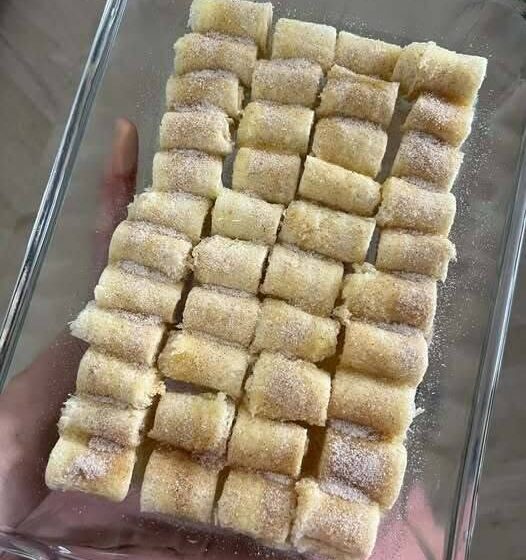
These sweet pastries are delicious served slightly warm, when their centers are especially soft and fluffy. Arrange them in rows on a glass serving plate and add a light sprinkle of cane sugar for an attractive presentation.
Enjoy them with:
- A cup of coffee or cappuccino.
- Hot chocolate or warm milk.
- Black tea or herbal tea.
- Fresh fruit and yogurt for a simple breakfast.
Storage and Reheating
At room temperature: Store completely cooled sugar snails in an airtight container for up to 2 days.
In the refrigerator: Refrigeration is generally unnecessary for these plain pastries and may make them dry more quickly.
In the freezer: Freeze in an airtight container or freezer bag for up to 2 months. Separate layers with parchment paper.
To reheat: Warm in a preheated oven at 300°F (150°C) for approximately 4–5 minutes. Allow frozen pastries to thaw before reheating for the best texture.
Frequently Asked Questions
1. Can I prepare the dough ahead of time?
Yes. Prepare the dough, place it in a covered bowl, and refrigerate it overnight. The next day, let it sit at room temperature until it is easier to shape, then continue with the recipe.
2. Why are my sugar snails dense?
Dense pastries can result from insufficient rising time, too much flour, or inactive yeast. Make sure the dough doubles in size during the first rise.
3. Can I use active dry yeast instead of instant yeast?
Yes. Use the same quantity, but dissolve it in the warm milk with a little sugar and allow it to foam before adding the remaining ingredients.
4. Can I make these pastries without eggs?
You can try replacing the egg with approximately 3 tablespoons of plain yogurt or milk. The texture may be slightly different, but the pastries should still be soft.
5. Can I use regular white sugar instead of cane sugar?
Absolutely. Granulated white sugar works well, although cane sugar gives the pastries a slightly deeper flavor and a lovely golden appearance.
Final Thoughts
These easy homemade escargots au sucre are a wonderful example of how simple ingredients can create something delicious. Their soft, fluffy texture, delicate sweetness, and lightly crunchy cane sugar coating make them a lovely addition to breakfast or afternoon tea.
Whether you serve them fresh from the oven or save a few for later, these little sugar spirals are an easy homemade treat worth making again and again.